Nutrition
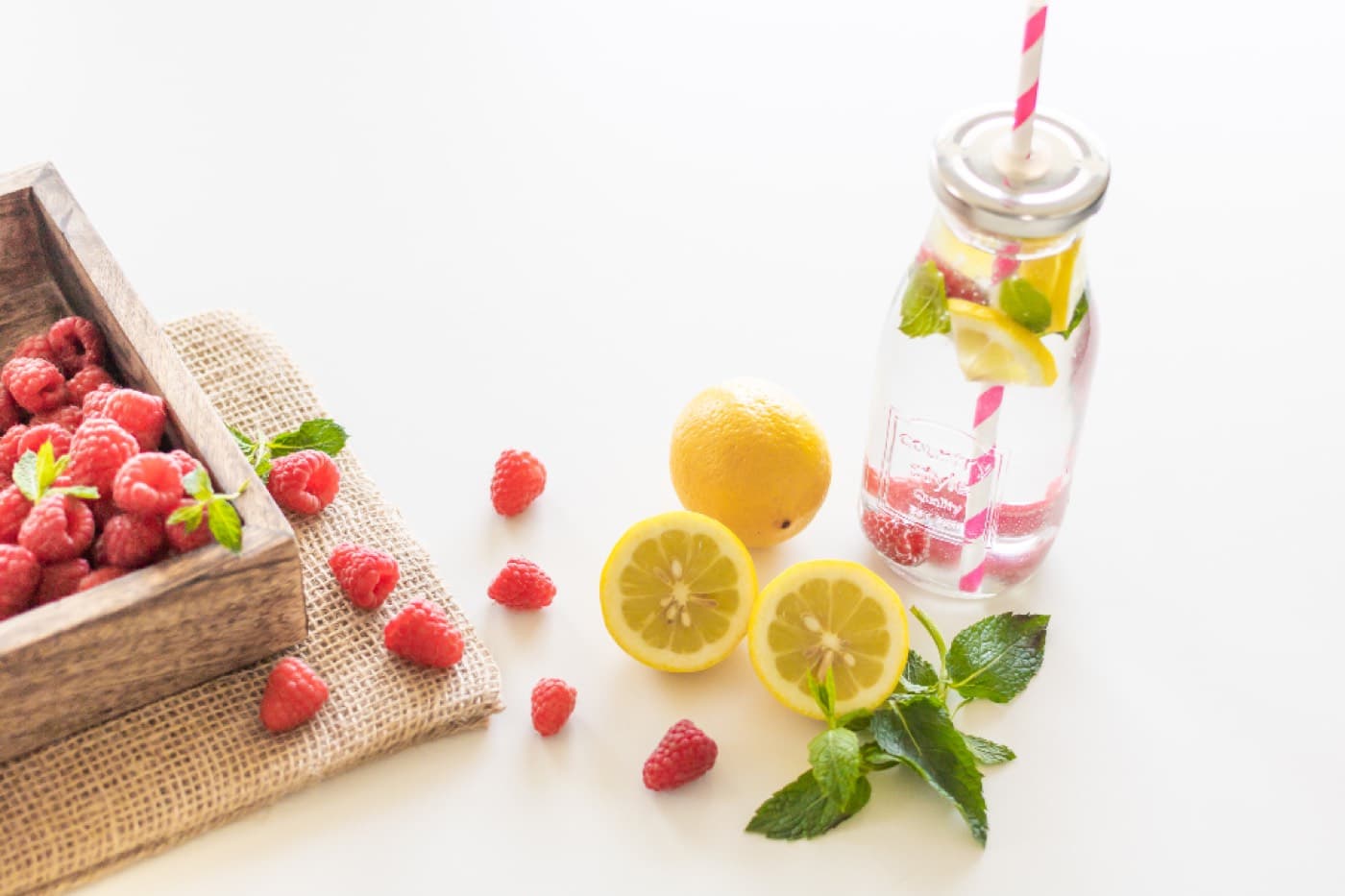
Drinking enough in a Marseille summer, without forcing it
Thirst warns you far too late. The quiet signs of running low, what I actually drink on a July day, and a couple of markers that spare you counting litres.
5 min read
Coming out of the water at the Pointe Rouge, feet still wet on the pontoon, someone almost always asks me the same thing: what should I eat when I get home? Nine times out of ten I say a smoothie, because it takes five minutes and it goes down even when the heat has flattened your appetite. With one reservation. Half the smoothies I see on Instagram are puddings dressed up as a healthy breakfast, and it does irritate me.
The three recipes below are ones I genuinely make at home, with whatever the Prado market has on a Saturday morning. The first is light and fresh, the second will hold you together after an hour on the board, and the evening one I drink on the days when I am not hungry but ought to eat something anyway. As for kit, a cheap blender is plenty, plus a knife that actually cuts and a jar with a lid if you want to take the glass with you. I will start with the method, because once you have it in your head the recipes become optional.
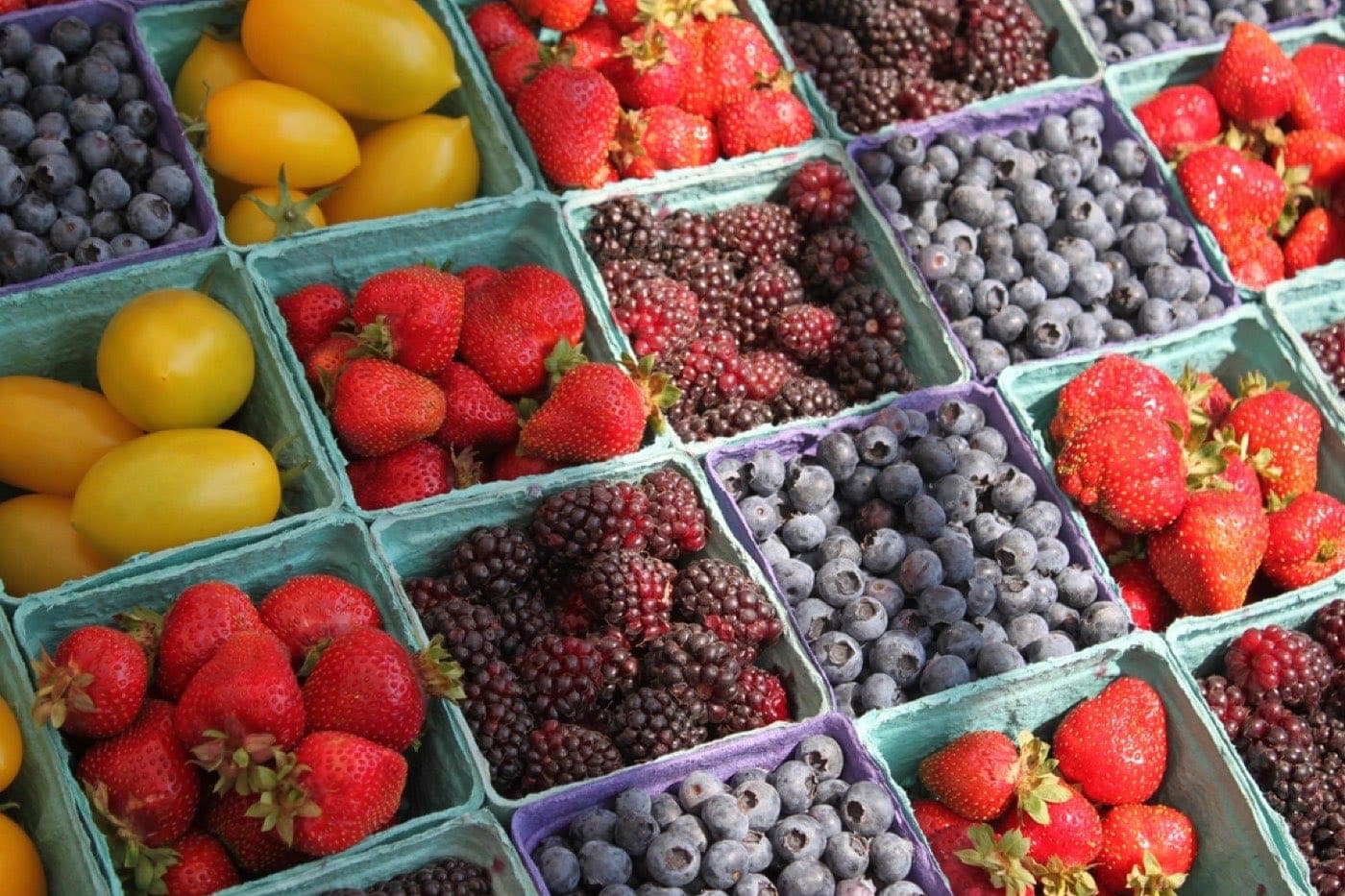
That question turns up at every workplace workshop, usually towards the end, in a meeting room with no windows. Blended fruit is still whole fruit, nothing has been taken out, the material is simply finer. Fibre slows the sugars on their way into the blood, we have known that for a long time, and it is why I keep the pulp in. Trouble comes from accumulation: three fruits, orange juice standing in for the liquid, a spoonful of honey over the top, and you are drinking a pudding nobody decided on. It took me years to give up the honey, out of habit more than greed. Strawberries are good on the stalls here until the end of June, so the spring one, do it now.
Written by Virginia Philippe, wellbeing coach in Marseille. What you read here is practical guidance, not medical advice: if in doubt, speak to your doctor.
Would you rather practise than read about it? Sessions by the water are booked in small groups, and workplace sessions are built around your own context.
Nutrition
Thirst warns you far too late. The quiet signs of running low, what I actually drink on a July day, and a couple of markers that spare you counting litres.
5 min read
Nutrition
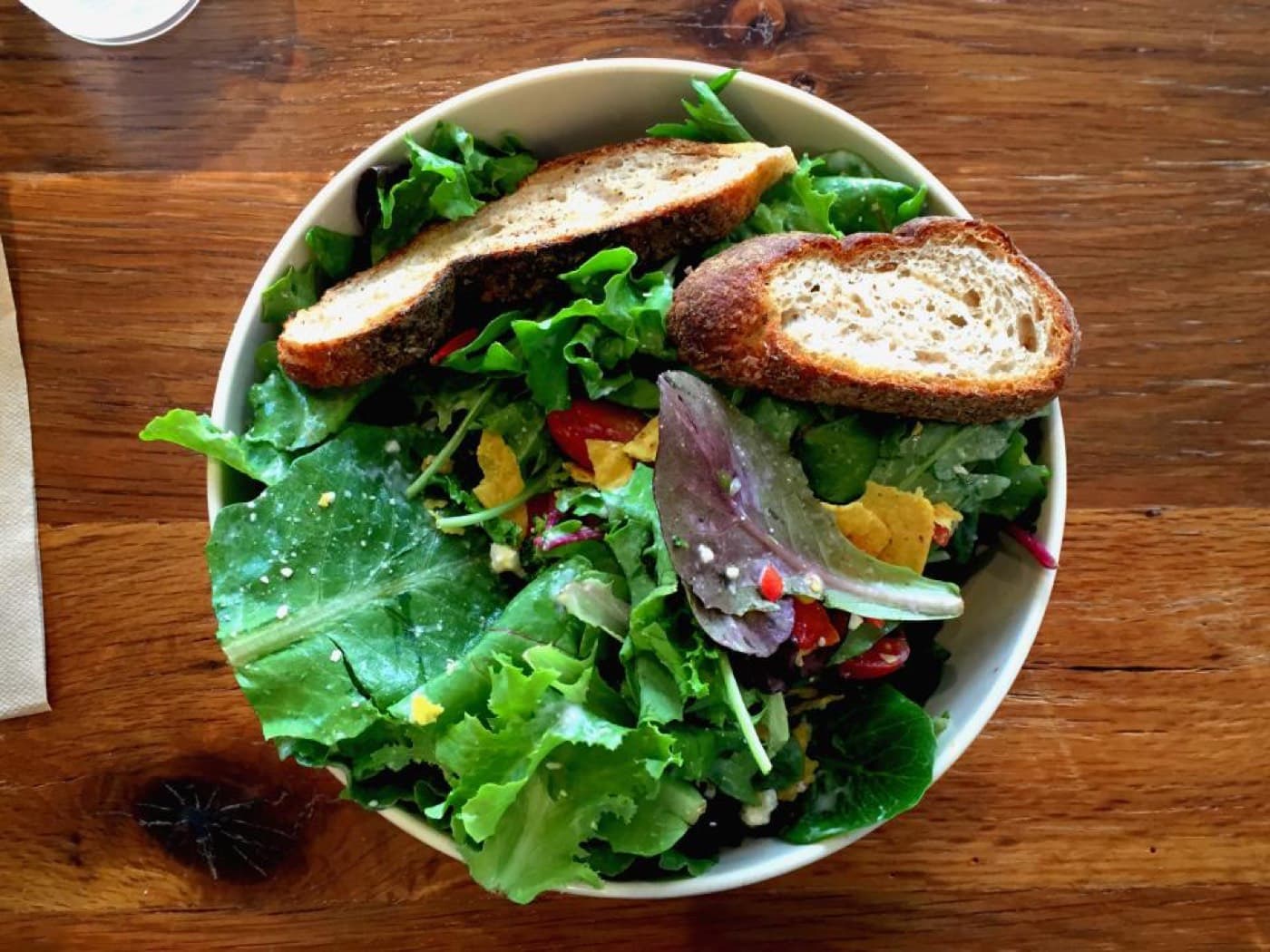
The bowl I hand out on day two of the Mini Wellness Reset, the five slots that make it genuinely filling, and what I change in it as the Marseille seasons turn.
5 min read
Nutrition
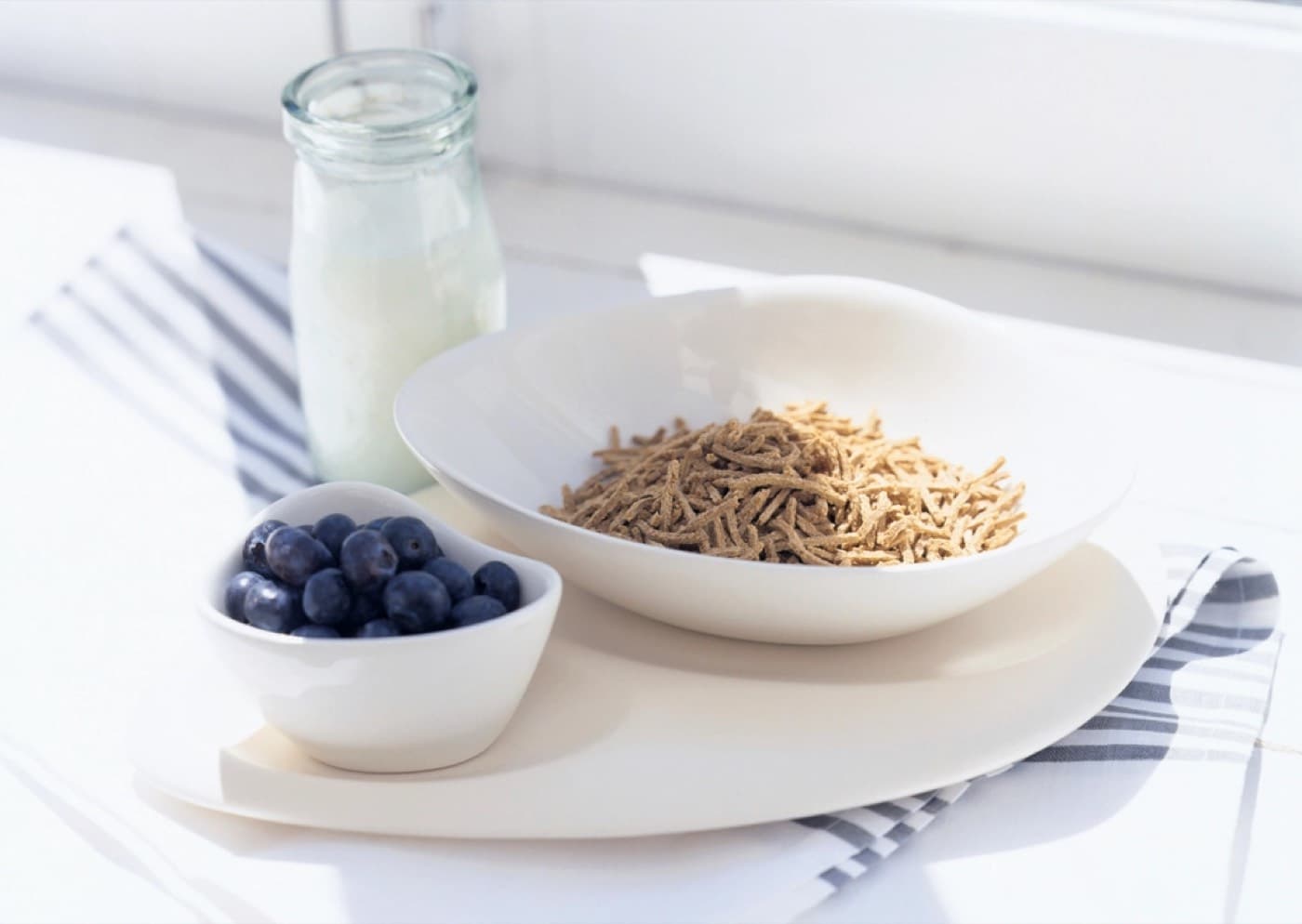
Eleven in the morning, a foggy head and a craving you cannot argue with. Before you blame your willpower, have a look at what you ate at breakfast.
6 min read