Nutrition
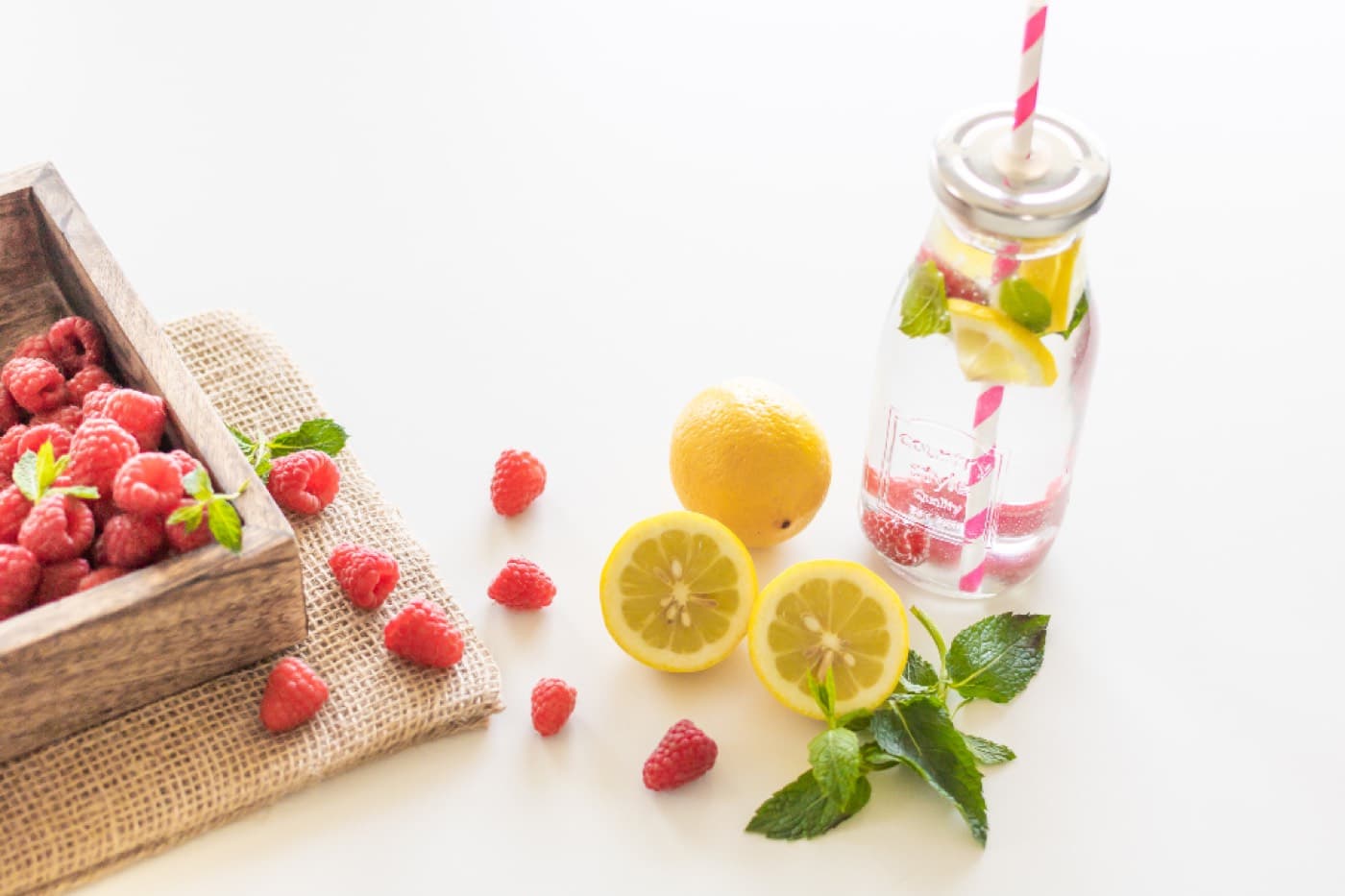
Three seasonal smoothies I make in Marseille
Three blends I actually make at home, the composition rule that makes the recipes optional, and what I say when someone asks about the sugar in fruit.
6 min read
Most summers, down at the Pointe Rouge, somebody turns up for the paddle yoga session holding a warm half-empty bottle that has been living in a bag since the previous evening, and tells me quite sincerely that they are not thirsty. An hour later, out on the water, concentration frays and balance goes to pieces; the session ends with a dull headache that gets blamed on the sun. Usually there simply was not enough water in them.
I will not be asking you to drink three litres a day because an infographic said so. That sort of instruction irritates me. It turns a physiological need into homework, and I have watched far too many women feel guilty about a half-full bottle. I would rather you learned to spot the moment your body starts asking, and kept two or three habits daft enough to survive a busy week.
Thirst is a poor first warning. It shows up once the body has already dipped into its reserves, and it fades with age, particularly if you have spent years telling it to be quiet. What happens before that is much quieter, and gets filed away under stress, hunger or a bad night. In my sessions it shows in coordination and in patience: people fall off the board more often and grumble sooner.
Nothing dramatic and nothing timed. A large glass on waking, before coffee, because the night has already cost a few hundred millilitres. After that I refill my bottle at set moments, arriving somewhere, leaving somewhere, between two appointments, and honestly I think hooking the glass onto something I already do accounts for the whole thing; my willpower barely comes into it. On teaching days I drink before I get on the board. The breeze dries your skin as you go, the sea offers a coolness that is not really there, and you come back in with a deficit you never felt building. Coffee and tea do count towards the day's intake, whatever people still repeat, though I would not give them the lead role. Alcohol pulls the other way: a glass of rosé on a terrace in July wants its water beside it, not the following morning.
A good share of what we take in never goes through a glass at all. The cooking down here helps enormously, which is why I so rarely suggest overhauling anyone's diet in summer; following the season does most of the work. Cucumber, tomato, courgette, melon, watermelon, peach, salad leaves, raw fennel, plain yoghurt, chilled soups. A big tomato salad at lunch, a slice of watermelon at five when you get home from the beach with sand still stuck to your calves: that brings water, and the minerals the sweat took away, which plain water does not.
I have never seen a water bottle rescue a badly eaten summer on its own.
The mistral dries you out faster than you would believe, and you can walk an hour along the Corniche in full sun without registering what it is doing to you. So next week, put a full bottle beside you in the morning and try to finish it before lunch. I have no idea whether it works for everyone. For me, and for most of the people I have suggested it to, it changes what four o'clock feels like.
Written by Virginia Philippe, wellbeing coach in Marseille. What you read here is practical guidance, not medical advice: if in doubt, speak to your doctor.
Would you rather practise than read about it? Sessions by the water are booked in small groups, and workplace sessions are built around your own context.
Nutrition
Three blends I actually make at home, the composition rule that makes the recipes optional, and what I say when someone asks about the sugar in fruit.
6 min read
Nutrition
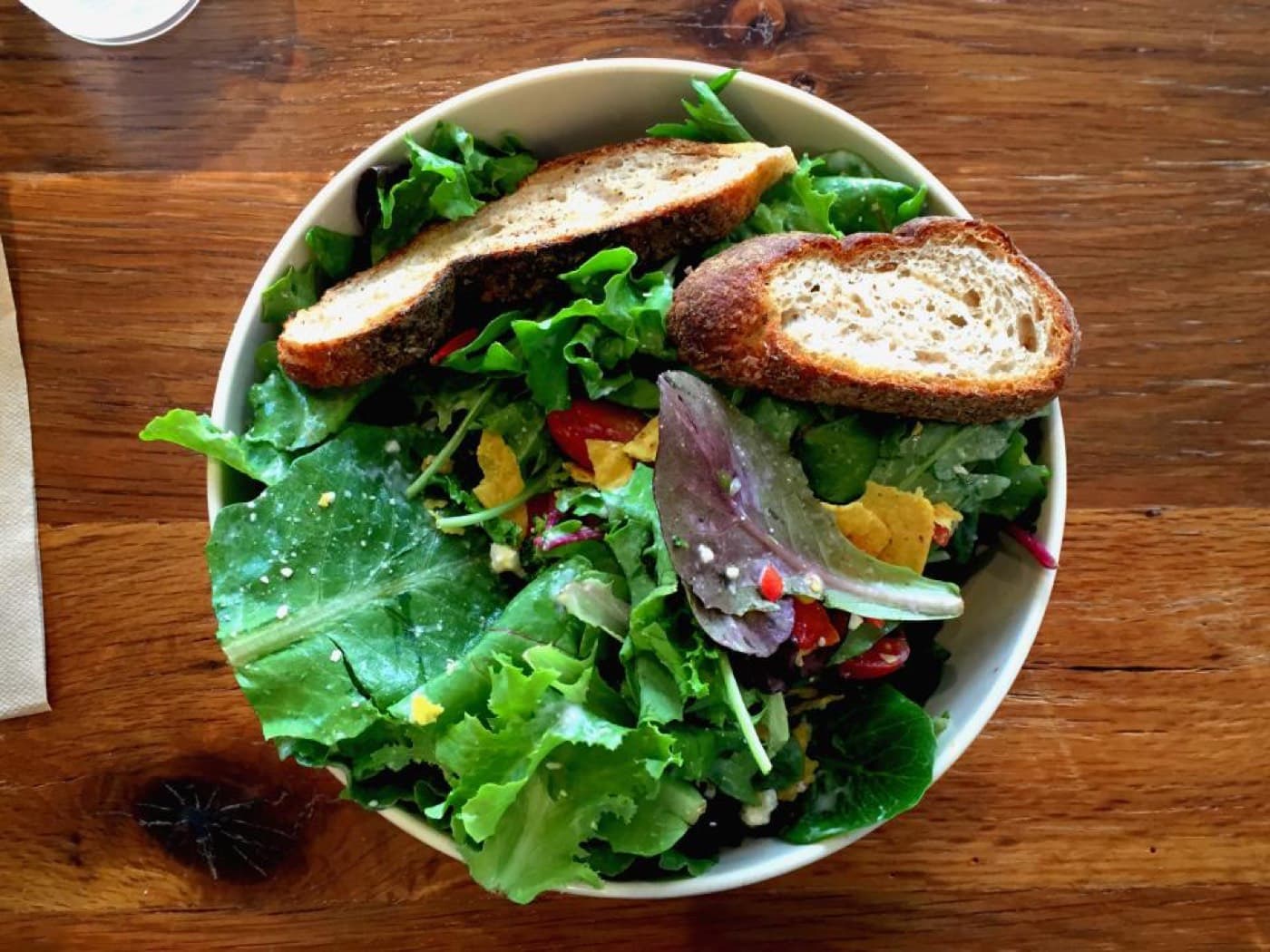
The bowl I hand out on day two of the Mini Wellness Reset, the five slots that make it genuinely filling, and what I change in it as the Marseille seasons turn.
5 min read
Nutrition
Eleven in the morning, a foggy head and a craving you cannot argue with. Before you blame your willpower, have a look at what you ate at breakfast.
6 min read