
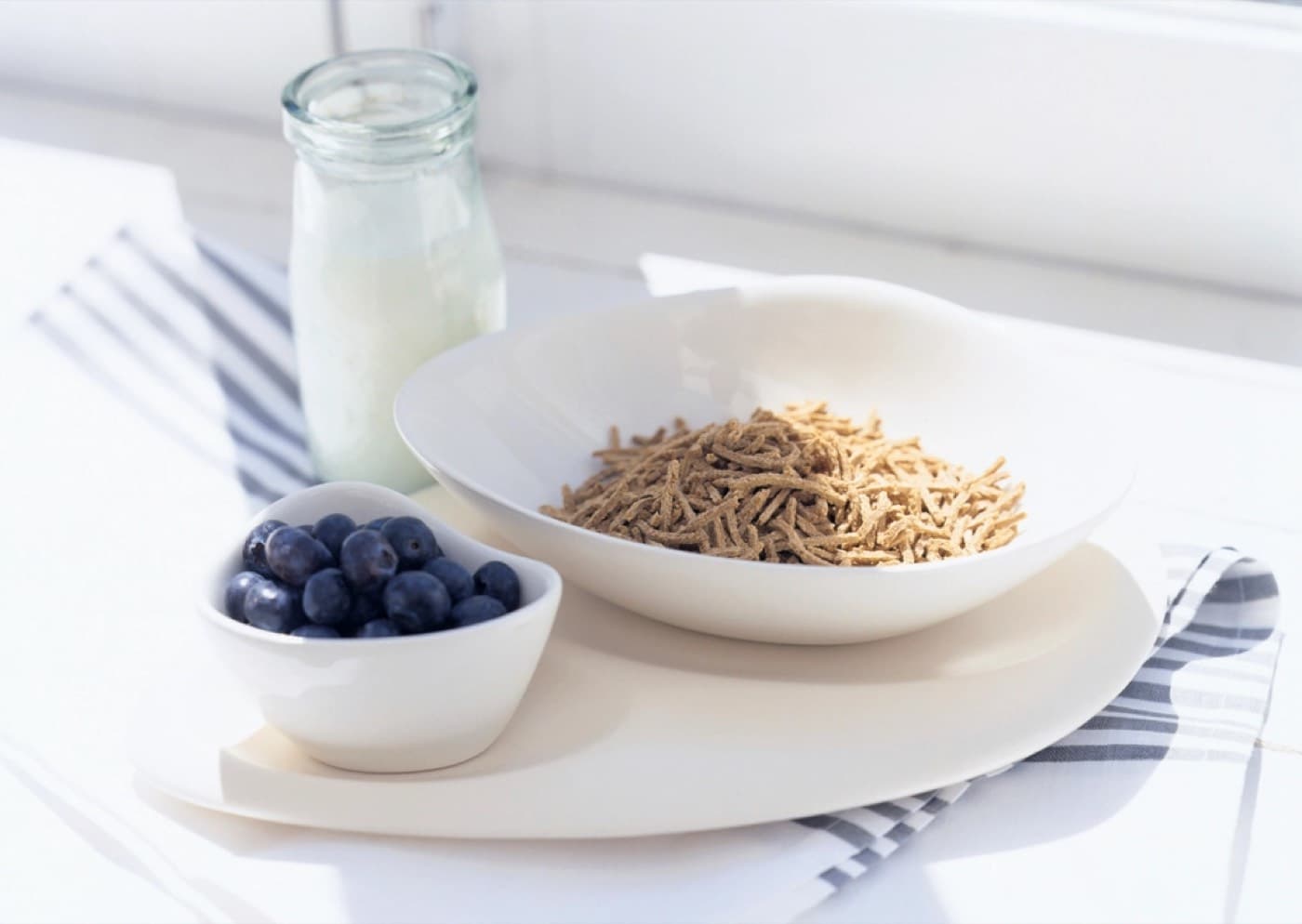

Nutrition
Drinking enough in a Marseille summer, without forcing it
Thirst warns you far too late. The quiet signs of running low, what I actually drink on a July day, and a couple of markers that spare you counting litres.
5 min read
In workshops the question always arrives at the same hour. A little past eleven, the room starts to yawn, and someone says it out loud: 'the morning is fine, and then I just collapse.' I hear it in windowless meeting rooms on business parks, from people who are otherwise very careful about what they eat, and always with a trace of shame, as if it were a flaw in their character. It took me years to stop looking for the cause in willpower. Most of the time that eleven o'clock dip was built at breakfast.
Take the classic French breakfast: orange juice, two slices of white bread with jam, a sweetened coffee. On the table it looks like a proper meal. The body receives a large delivery of very fast sugar with nothing to slow it down. Blood sugar climbs, insulin goes out to bring things back into line, and it often overshoots. Two hours later you are lower than you were before you ate.
The dip rarely feels like hunger. It feels like irritability, or like a craving that will not be argued with halfway through a meeting. One participant told me she had spent ten years believing she was simply 'bad in the mornings'. And I notice, session after session, that the people who get this at eleven get it again in the late afternoon: every dip calls for another fast sugar, which sets up the one after it.
I have been giving the same structure for years, because it fits in three words and adapts to any kitchen: protein, a little good fat, some fibre. Sugar comes fourth, when it comes at all. The trio slows absorption down, and your energy carries you to lunch without you having to think about it. I have no idea whether it holds for everybody; among the people I work with, it is the change that gives the most back for the least effort.
Plenty of people genuinely have no appetite when they wake up, and I see no reason to force them. What irritates me about the wellness fashion is the habit of turning every routine into a moral rule. Skipping breakfast does not shock me, on one condition, that the morning really holds. If you get to midday calm, with no fog and no craving, keep your rhythm, I have nothing to add. If you fall on the first pastry within reach at half past ten, let us call it what it is: your breakfast has slid three hours later and lost its balance on the way. I look first at last night's dinner, because a very late or very heavy evening meal almost always blunts the appetite the following morning. Then I suggest starting tiny, a Greek yoghurt with three walnuts, or two hard-boiled eggs cooked the day before. Appetite often comes back within a week or two, once the body has understood that something dependable turns up at that hour. Sometimes it never comes back. Fine, we work around it.
Give it five mornings. Not three weeks, five mornings, changing nothing but that first meal, and check the time on the day you open the biscuit drawer.
Written by Virginia Philippe, wellbeing coach in Marseille. What you read here is practical guidance, not medical advice: if in doubt, speak to your doctor.
Would you rather practise than read about it? Sessions by the water are booked in small groups, and workplace sessions are built around your own context.
Nutrition
Thirst warns you far too late. The quiet signs of running low, what I actually drink on a July day, and a couple of markers that spare you counting litres.
5 min read

Nutrition
Three blends I actually make at home, the composition rule that makes the recipes optional, and what I say when someone asks about the sugar in fruit.
6 min read
Nutrition
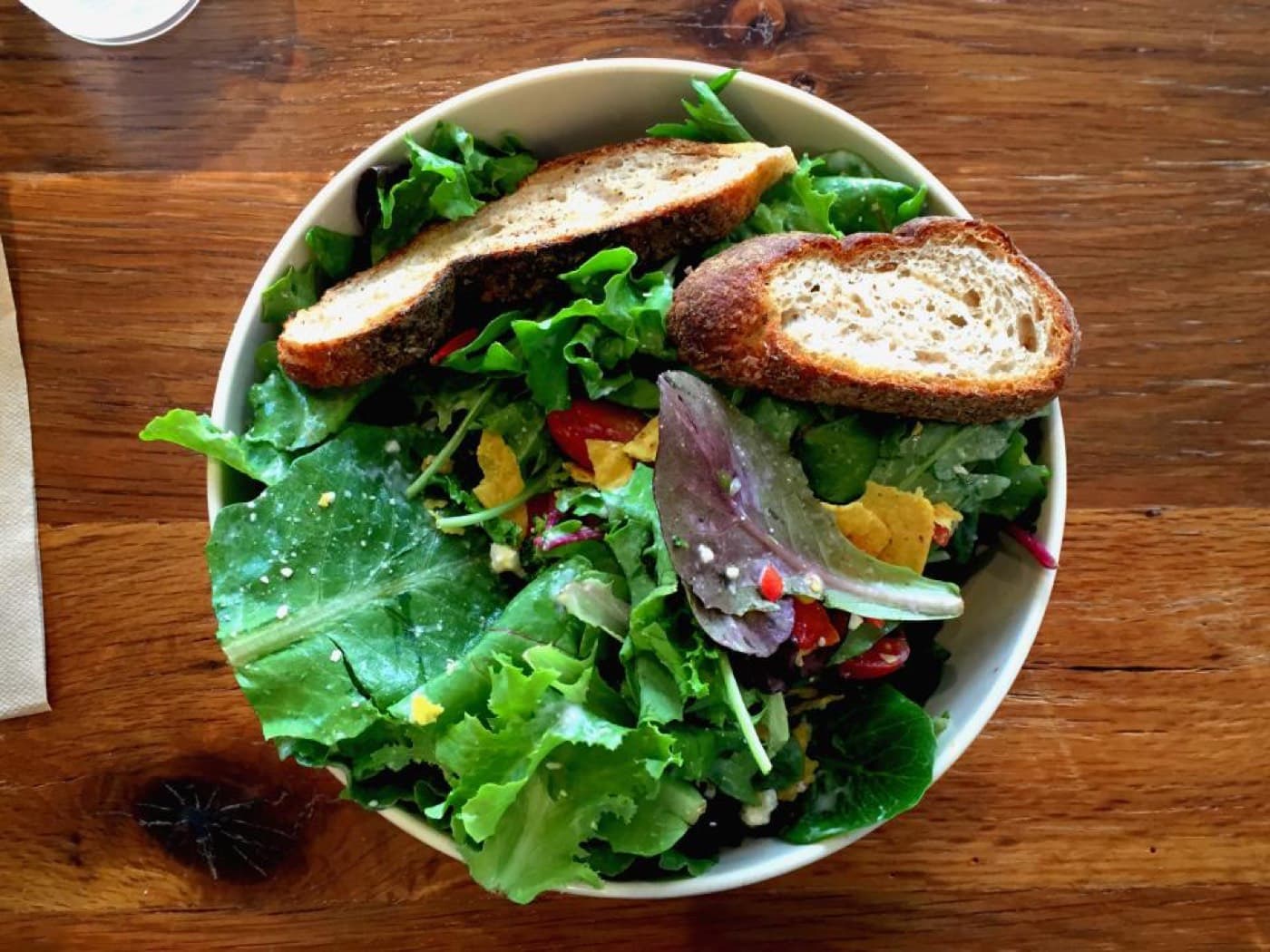
The bowl I hand out on day two of the Mini Wellness Reset, the five slots that make it genuinely filling, and what I change in it as the Marseille seasons turn.
5 min read