Nutrition
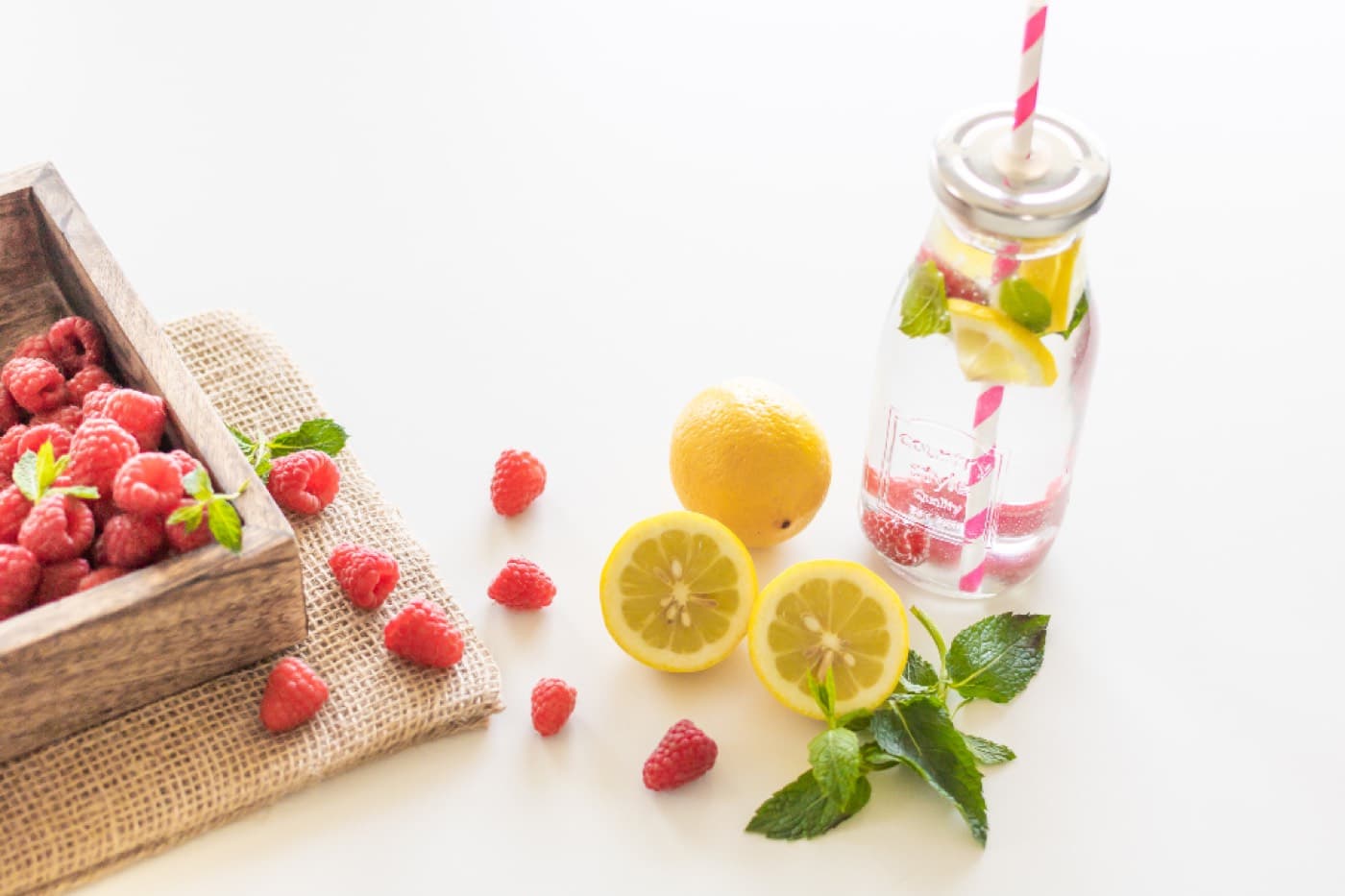
Drinking enough in a Marseille summer, without forcing it
Thirst warns you far too late. The quiet signs of running low, what I actually drink on a July day, and a couple of markers that spare you counting litres.
5 min read
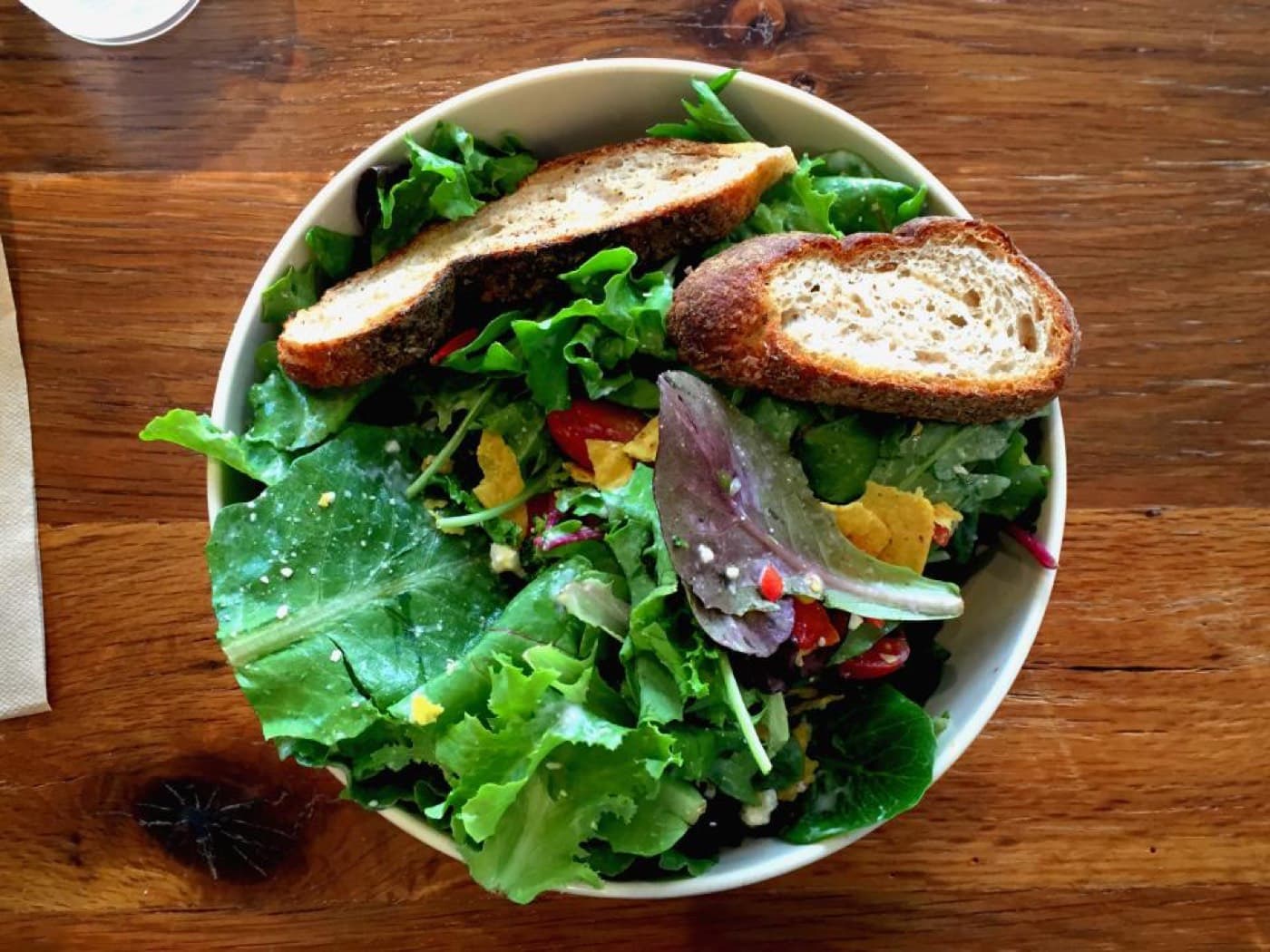
Day two of the Mini Wellness Reset happens in your own kitchen, with a bowl and whatever is already in the fridge. I call it the Glow Bowl because that is the word participants come back with, usually weeks later, usually while telling me about a Tuesday afternoon that went by without the three o'clock slump. The word makes me wince slightly, it is all over Instagram, but I never found a better one and it stuck.
It took me years to accept that recipes do very little. You make one twice, you lose the sheet of paper, you go back to the sandwich from the shop downstairs. What I am giving you here is a frame: five slots to fill, always the same five, with contents that follow whatever the market stalls happen to be selling. The quantities are the ones I use at home, so bend them.
A bowl turns into a proper lunch when all five slots are taken, and when one is empty you find out in the middle of the afternoon. In workshops I have everyone build a bowl on paper, then we look at what is missing: nine times out of ten, the fat or the protein. The fat especially. Thirty years of being told that fat was the enemy leaves a mark.
The office suits this format for very practical reasons. You eat it one-handed, with no knife and no microwave, in a windowless meeting room or sitting on the harbour wall at Les Goudes. It has no smell, which matters more than people think in an open-plan office. And it spares you the heavy digestion that follows a big hot meal: in one corporate workshop, a man in his fifties told me he had got his two o'clock meeting back, and I have been repeating his phrase ever since.
Look at how you feel at four in the afternoon and you will know what your lunch was worth.
Open your fridge tonight, exactly as it is, with the half tin of chickpeas and the lonely courgette that has been sitting there since Sunday. See which of the five slots is empty. I cannot promise it works for everybody, but with the women I coach it is nearly always the fat that is missing. Quinoa cooks in twelve minutes, so you have time to start it before you lay the table.
Written by Virginia Philippe, wellbeing coach in Marseille. What you read here is practical guidance, not medical advice: if in doubt, speak to your doctor.
Would you rather practise than read about it? Sessions by the water are booked in small groups, and workplace sessions are built around your own context.
Nutrition
Thirst warns you far too late. The quiet signs of running low, what I actually drink on a July day, and a couple of markers that spare you counting litres.
5 min read
Nutrition
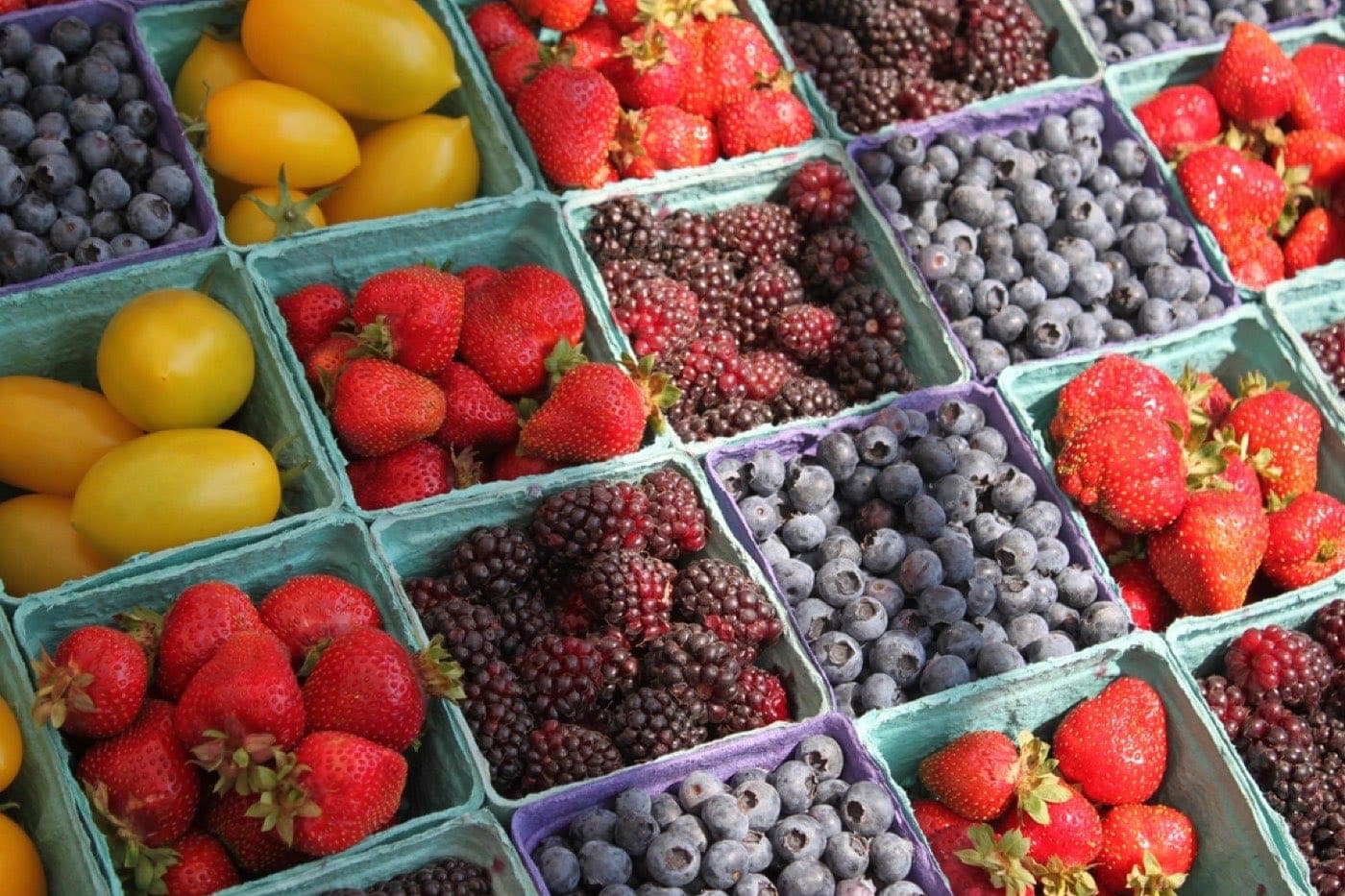
Three blends I actually make at home, the composition rule that makes the recipes optional, and what I say when someone asks about the sugar in fruit.
6 min read
Nutrition
Eleven in the morning, a foggy head and a craving you cannot argue with. Before you blame your willpower, have a look at what you ate at breakfast.
6 min read