
Blue health
Taking a team down to the water, and what stays with them
What the shoreline changes in the way a team talks to itself, and the practical things worth knowing before you book a morning by the water in Marseille.
7 min read
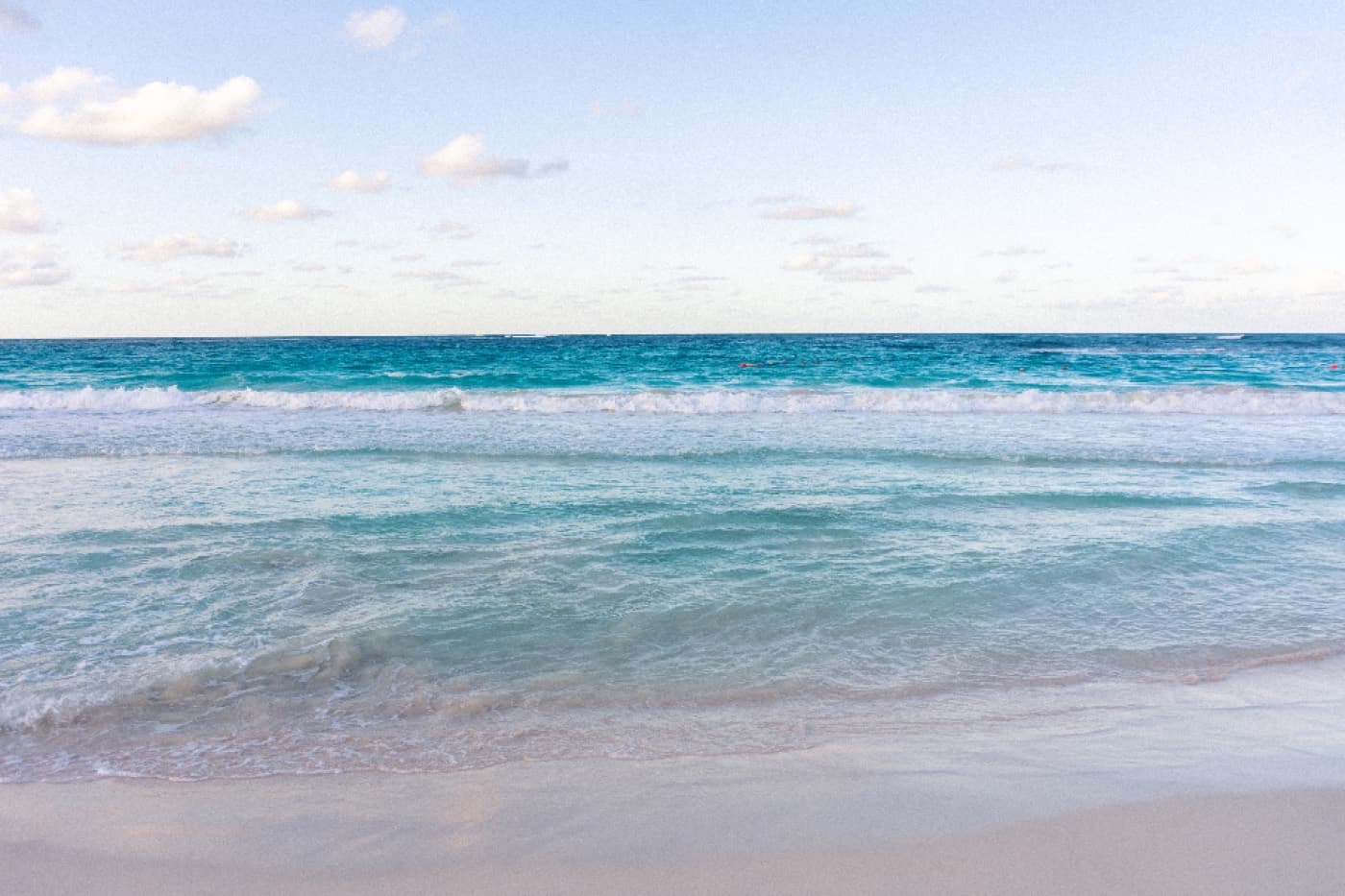
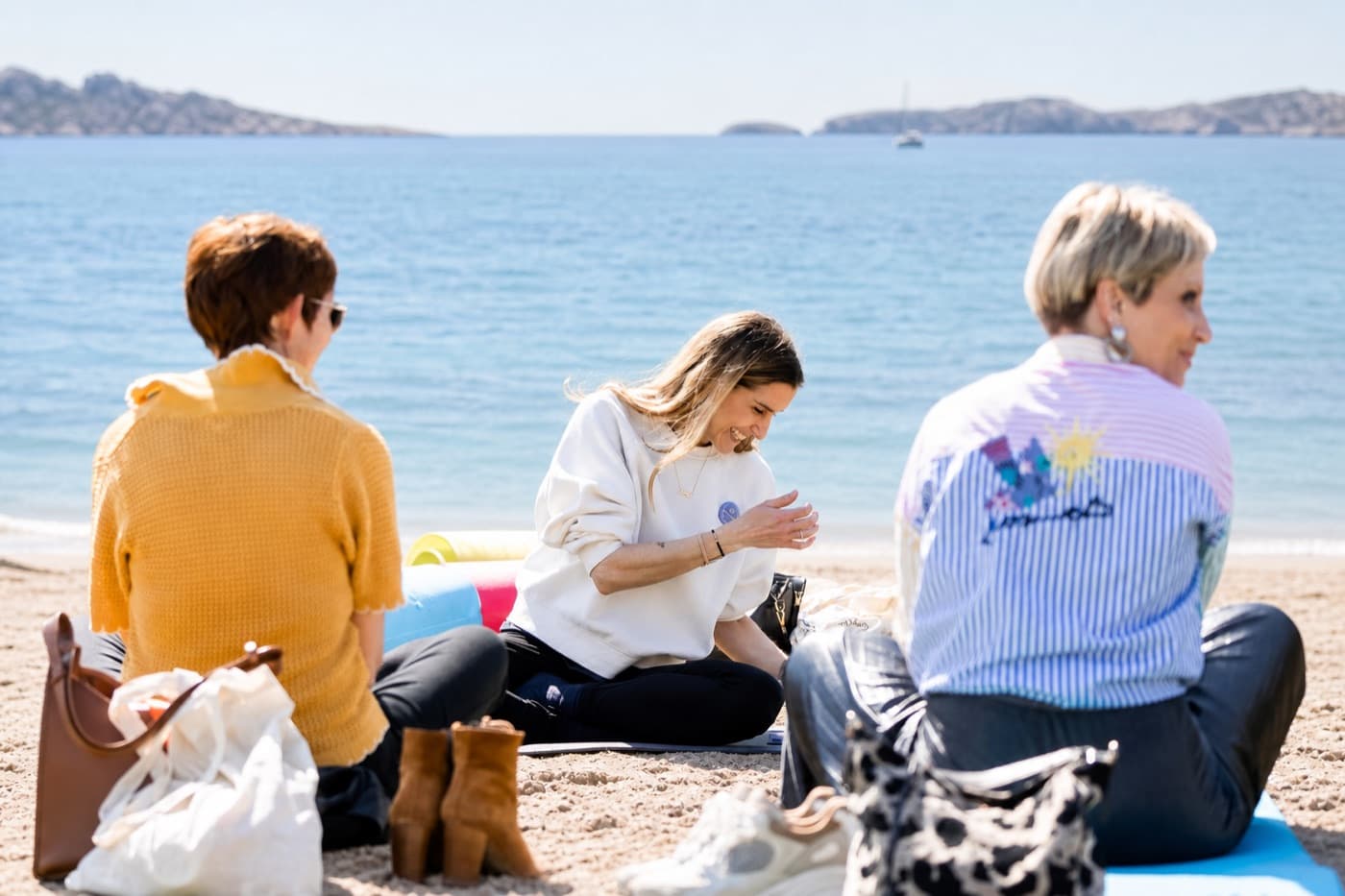
When I walk down to the Pointe Rouge with a group that has just come off the metro, the same thing happens every time. We reach the sand and the voices drop. Nobody has asked for quiet. Someone stops, watches the surface for twenty seconds, then turns back to me almost apologetically, as though drifting off were rude. Apparently there is a name for this now, and a whole field of research sitting behind it: blue health.
I would rather be straight about what I know and what I don't. Blue health studies what the presence of water does to our mental and physical state. The field is young, the researchers careful: they talk about observed associations and stop well short of causes. I mention it this early because the line 'water calms you down' travels very fast on Instagram, where it has quietly become a sales pitch.
A blue space reaches well past the ocean. Any stretch of water you can see or hear from where you happen to be standing counts: the sea, a lake, a canal, the pond in a park, the fountain on a village square. Teams working in this area compare self-reported health, stress levels or sleep quality across people with more or less exposure to those places, and the positive associations come back with a consistency that makes you sit up. Associations, and I do mean that word. Living near water usually also means living somewhere greener, where people walk more, and nobody has untangled that properly yet.
Plenty of explanations are on the table and they probably stack up together. Water holds your attention without spending it: your eye follows a reflection, then a wave, then nothing in particular, and none of that costs you a thing, whereas an hour of screen leaves you hollowed out. It also makes you look into the distance, something our days almost never ask of us, and I think that point is badly underrated. It lays a steady wall of sound over the noise of the city. It gets us moving and talking too, since we walk further along a quayside and say something to a stranger we would have walked past anywhere else.
I know nowhere else where your gaze travels that far without you having to decide anything.
People run the two together constantly and it irritates me, because anyone who hates cold water writes themselves out of a practice that never asked them to get wet in the first place. Going in, cold water especially, sets off an immediate response: the breath catches, the skin tightens all at once, the body objects, and then something rearranges itself. It is engaging, often demanding, and it suits some people and not others. Staying on the shore runs along a slower line, open to anyone, with no kit and no particular fitness. On a paddleboard you get a third thing again, carried by the water without being in it, with a wobble that keeps you awake to where you are. Nobody dozes off balancing on a board. I refuse to put a group into cold water on a first session, whatever they ask me for. Four things come back whatever the format.
Marseille gives me a place to watch all this that I would not have anywhere else, and I don't believe for a second that the Mediterranean holds a monopoly. If there is water within twenty minutes of your home, go once this week with no goal at all. I will be at the Pointe Rouge at first light, wrestling with a wetsuit I still cannot get into first time.
Written by Virginia Philippe, wellbeing coach in Marseille. What you read here is practical guidance, not medical advice: if in doubt, speak to your doctor.
Would you rather practise than read about it? Sessions by the water are booked in small groups, and workplace sessions are built around your own context.
Blue health
What the shoreline changes in the way a team talks to itself, and the practical things worth knowing before you book a morning by the water in Marseille.
7 min read
Blue health
I teach paddle yoga early in the morning off Pointe Rouge. In an hour, the board shows each person what they are gripping without knowing, and what they can let go of.
6 min read
Blue health
Walking slowly by the water for twenty minutes, phone at the bottom of the bag. What I look at, what I listen to, and exactly how I run those twenty minutes myself.
5 min read