Blue health
Taking a team down to the water, and what stays with them
What the shoreline changes in the way a team talks to itself, and the practical things worth knowing before you book a morning by the water in Marseille.
7 min read
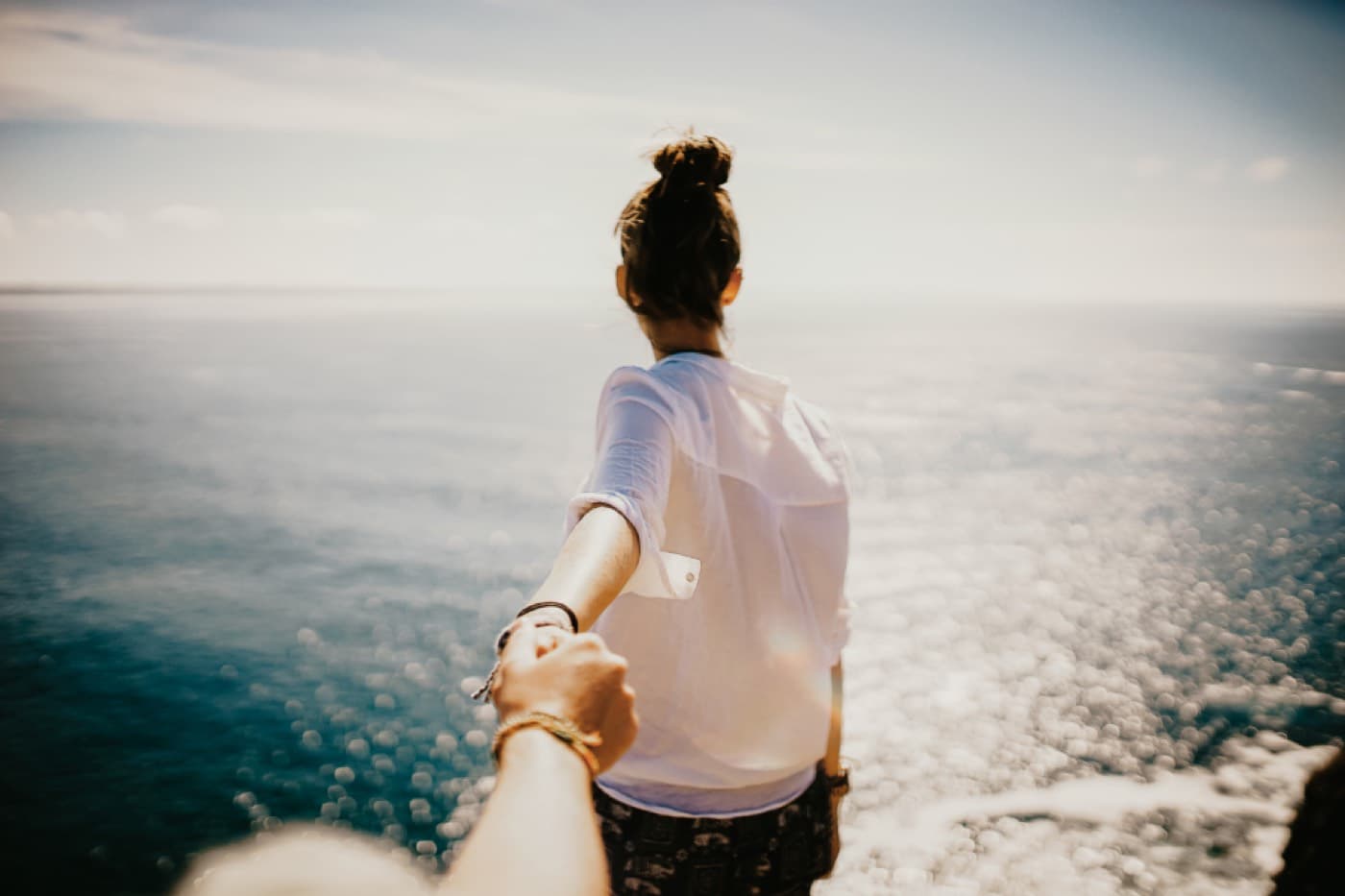
There is one thing I never charge for and have never put on a workshop programme, and I recommend it more often than anything else I teach: walk slowly by the water for twenty minutes, doing nothing else. No podcast in your ears, and the step counter can wait. You, a pace slower than usual, water beside you.
I live in Marseille, the sea is a twenty-minute tram ride away, and I know perfectly well that helps. I will come back at the end to what you do if you live inland. It took me years to understand why that particular walk puts me back together when the same quarter of an hour on a treadmill does absolutely nothing for me. The slow pace counts for something, the gaze that reaches far counts for more.
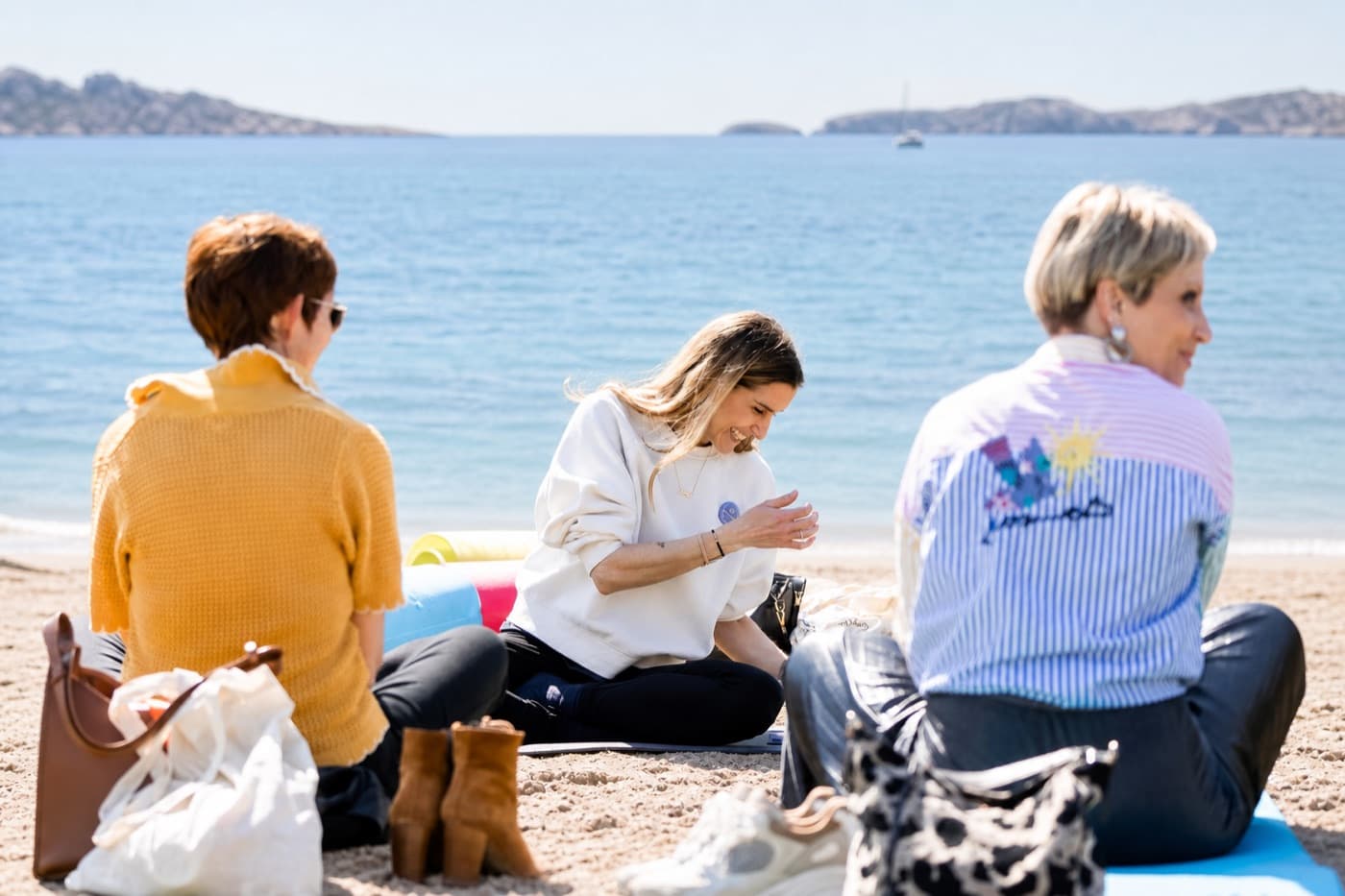
Add up a day at your desk: did your eyes travel further than an arm's length even once? The screen, the phone, a face on a video call, the sheet of paper beside the keyboard. They stay converged from morning to evening, the small muscles that focus them never quite let go, the neck joins in, and by the evening we put the whole thing down to general tiredness. The seafront offers nothing to fix on. The gaze runs out to the horizon and the focusing loosens. Last January I ran a workshop in a windowless meeting room, fourteen people under strip lights, and I remember thinking that half the benefit of that session came from the quarter of an hour we spent outside afterwards. I see the same thing before my classes at Pointe Rouge: women arrive with a clenched jaw and ten minutes later their shoulders have come down, without my having said a word.
Someone says it at every corporate session, usually with a half smile: easy for you, you live in Marseille. True, and a bit thin as an objection. You need a surface of water and some depth of field, ideally with a continuous sound laid over the top, and most towns have that somewhere, often ten minutes from your front door. I may well be wrong, but I think the place weighs far less than the decision to produce nothing for twenty minutes.
Twenty minutes in which you produce nothing. That is the part the people I work with find hardest to grant themselves.
What irritates me about the wellness industry is the equipment stacked around it: the app, the mat, the subscription, the matching outfit. Here there is nothing to buy. On a Tuesday in November, in the middle of the day, the Corniche is nearly empty, the water is grey and the wind bites a little. I do not know whether it works for everyone, so try it once this week and come and tell me what state you get home in.
Written by Virginia Philippe, wellbeing coach in Marseille. What you read here is practical guidance, not medical advice: if in doubt, speak to your doctor.
Would you rather practise than read about it? Sessions by the water are booked in small groups, and workplace sessions are built around your own context.
Blue health
What the shoreline changes in the way a team talks to itself, and the practical things worth knowing before you book a morning by the water in Marseille.
7 min read
Blue health
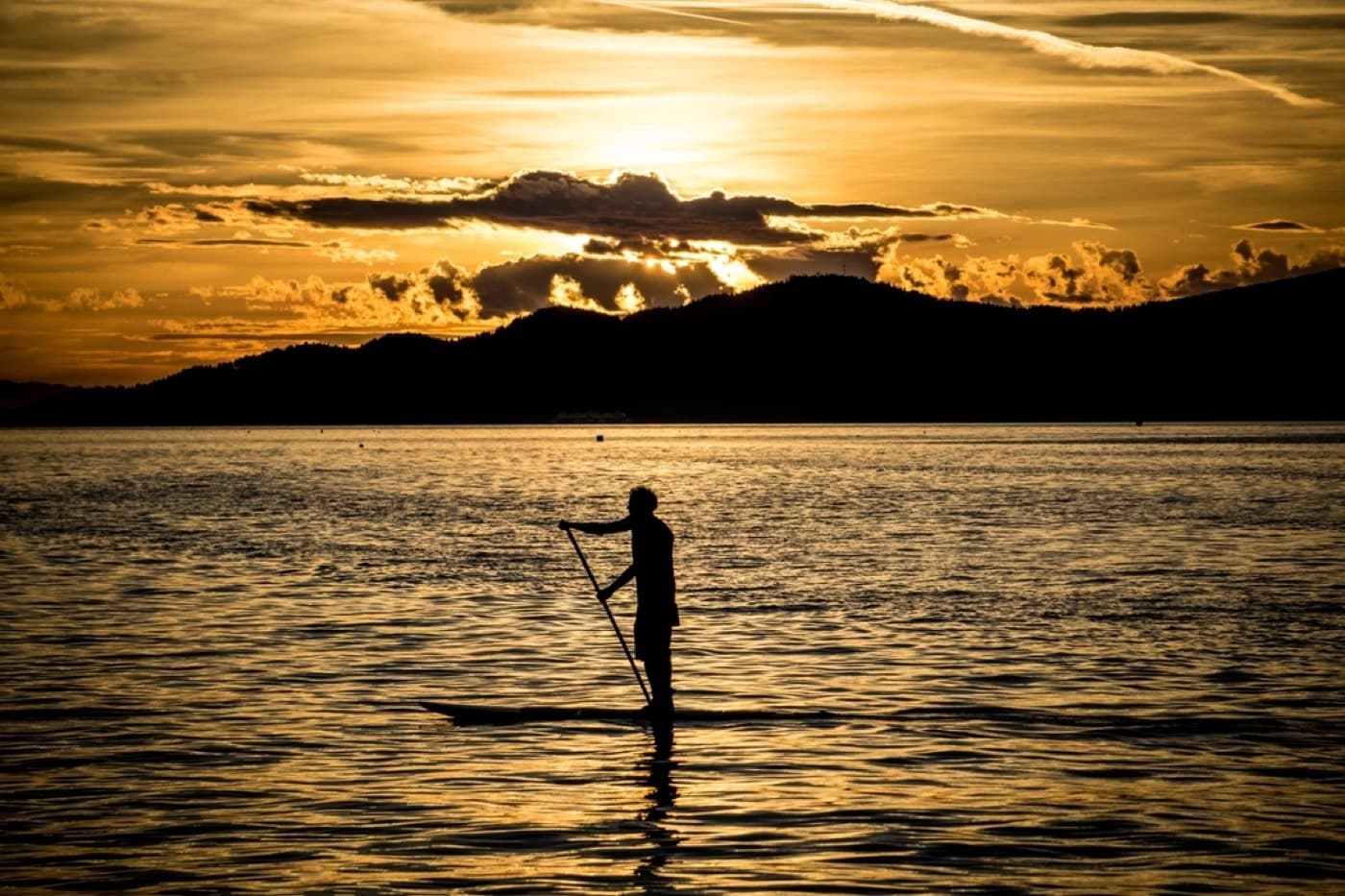
I teach paddle yoga early in the morning off Pointe Rouge. In an hour, the board shows each person what they are gripping without knowing, and what they can let go of.
6 min read
Blue health
Cold immersion fascinates people and gets credited with a lot. What I really see in the Mediterranean, why breathing comes first, and the cases where I say no.
7 min read