
Blue health
Taking a team down to the water, and what stays with them
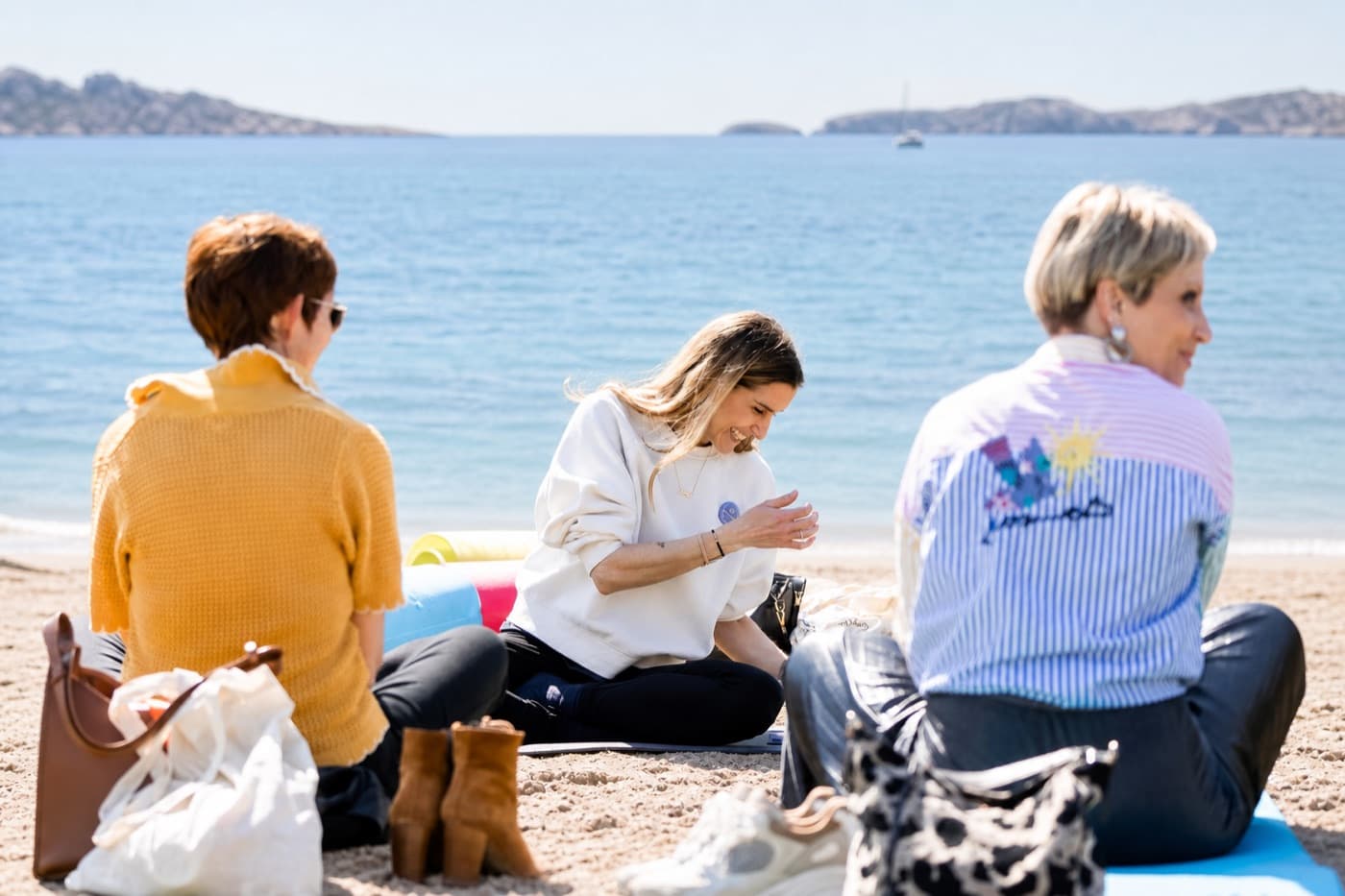
What the shoreline changes in the way a team talks to itself, and the practical things worth knowing before you book a morning by the water in Marseille.
7 min read
One Tuesday in November, down at the Pointe Rouge, a woman arrived at my session with a brand new wetsuit still folded in her bag and asked me how many minutes she had to stay in for it to work. She had watched the ice bath videos. She had never unrolled a yoga mat in her life. I have had some version of that conversation every winter for three or four years now, huge expectations sitting in front of me and almost no bearings to go with them, and my answer tends to disappoint: I told her I do not count minutes. What I watch is how somebody goes in.
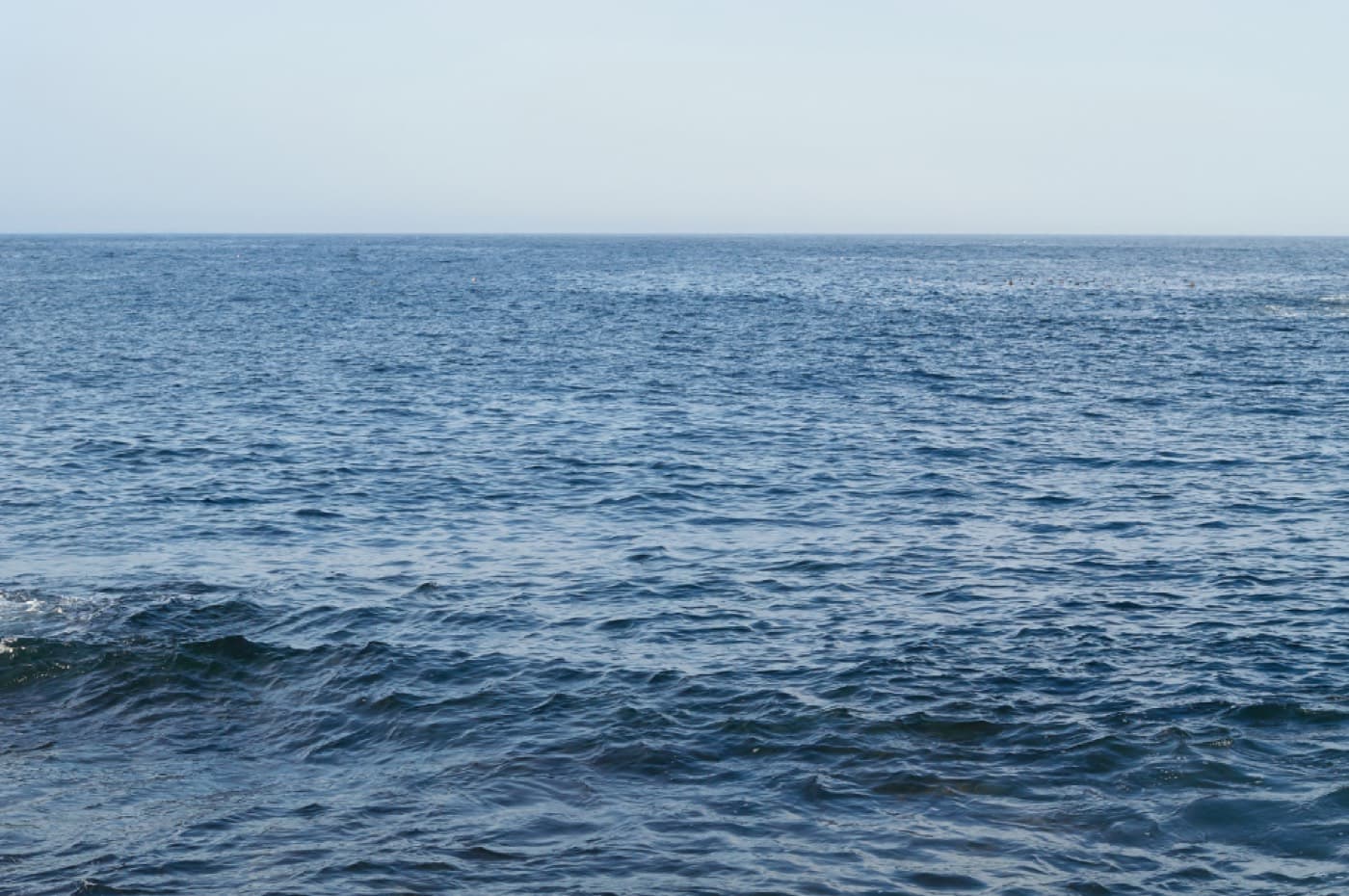
I practise in open water off Marseille, where the sea falls to around thirteen or fourteen degrees by February. Bathtubs full of ice cubes I happily leave to other people; that has never been my practice, and the performance aesthetic that comes with it wears me out. I am writing this because the distance between what cold promises on Instagram and what it does to actual people in an actual sea has become uncomfortable to watch.
People come out of the water wide awake. Their eyes change, their voice carries further, their mood holds for a good part of the day, and I see it at every session, so I will say it without hedging. Researchers have looked at these effects on alertness and on how we get through stress, and I am glad that work exists. But I have read enough posts about cold water 'curing anxiety' to know where my own line runs. Cold is no treatment, and the habit of turning it into a test to be passed puts my back up. What I offer is a short, deliberate exposure to something uncomfortable, in a setting where you keep the upper hand from beginning to end. Nothing beyond that.
It took me years to stop believing that cold could be tamed by willpower. Everything is settled in the first two minutes, when the water reaches your stomach: the breath bolts, short and high in the chest, and the brain concludes very quickly that you should be out of there. That reflex is normal. You can let it fill the whole space, or you can have spent enough hours working your out-breath on dry land, on a mat, to know what to do with it when it turns up. In my sessions breathing comes first, always, and I will not take anyone into the sea who has never done that work.
In Marseille the sea cools slowly from October through to February. Anyone who swims every week from the autumn onwards follows that descent without forcing anything at all, the body adjusts at the pace of the season, and by January they are in fourteen degrees with no sense of having crossed a threshold. That is the route I offer. Whether it suits everybody I honestly could not say, and I may be wrong about it, but the people who hurt themselves, or who give up after three attempts, are almost always the ones who started in deep winter with something to prove. There is nothing to prove. A good session is one you come out of having kept your breath under control the whole way through, even if it lasted forty seconds.
Cold makes nobody stronger. It puts your own way of reacting to discomfort right in front of you, and that way of reacting can be worked on.
My favourite part, honestly, is what comes after. Climbing back onto a paddleboard out on the water, sitting down, doing nothing for ten minutes while the body warms itself up and the Mediterranean sorts your thoughts out for you. If the idea appeals, start in September, while the water is still mild and it feels like an ordinary swim. And bring beach shoes: the sand at the Pointe Rouge sticks to wet feet, and you will be glad of them.
Written by Virginia Philippe, wellbeing coach in Marseille. What you read here is practical guidance, not medical advice: if in doubt, speak to your doctor.
Would you rather practise than read about it? Sessions by the water are booked in small groups, and workplace sessions are built around your own context.
Blue health
What the shoreline changes in the way a team talks to itself, and the practical things worth knowing before you book a morning by the water in Marseille.
7 min read
Blue health
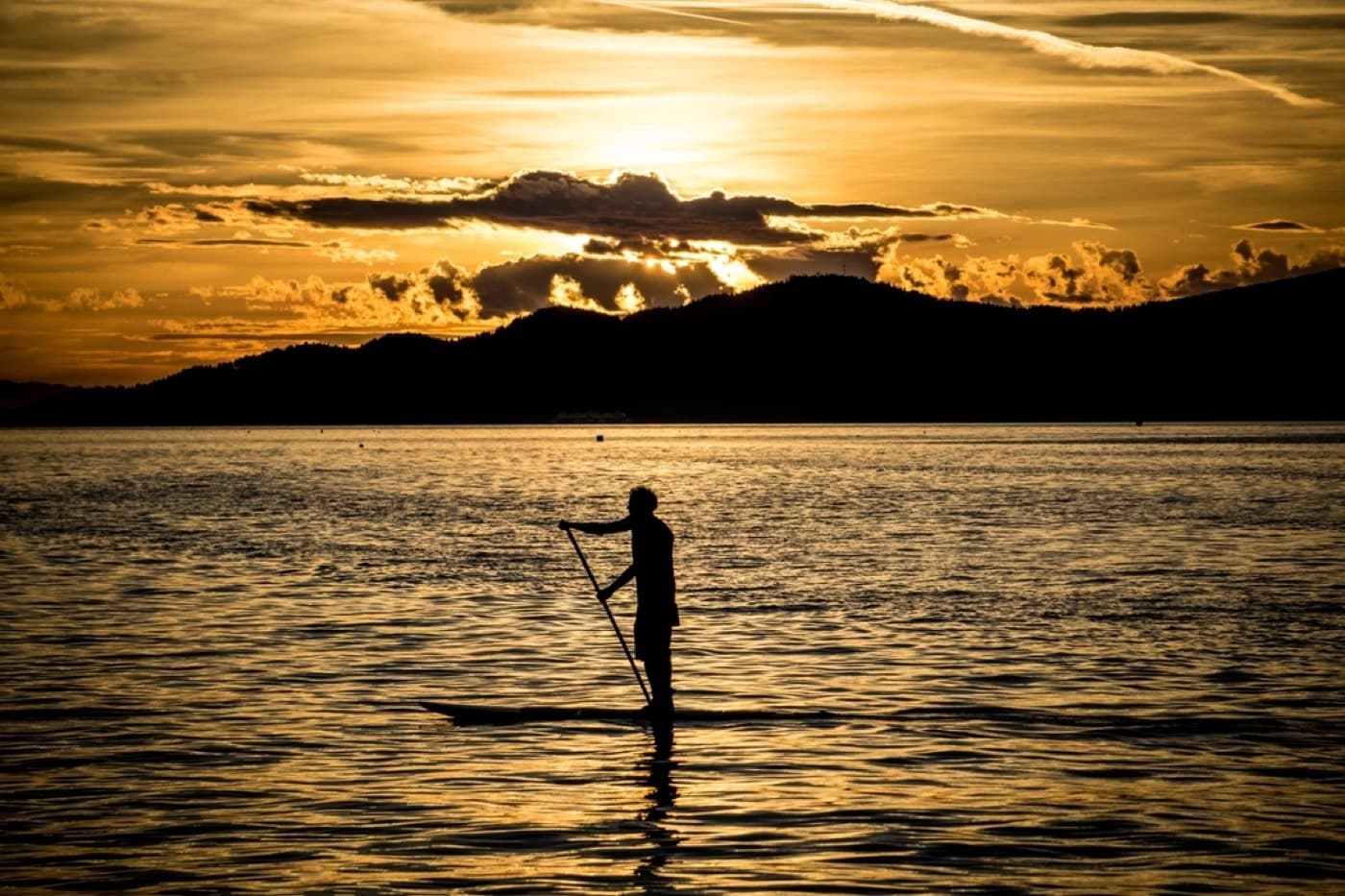
I teach paddle yoga early in the morning off Pointe Rouge. In an hour, the board shows each person what they are gripping without knowing, and what they can let go of.
6 min read
Blue health
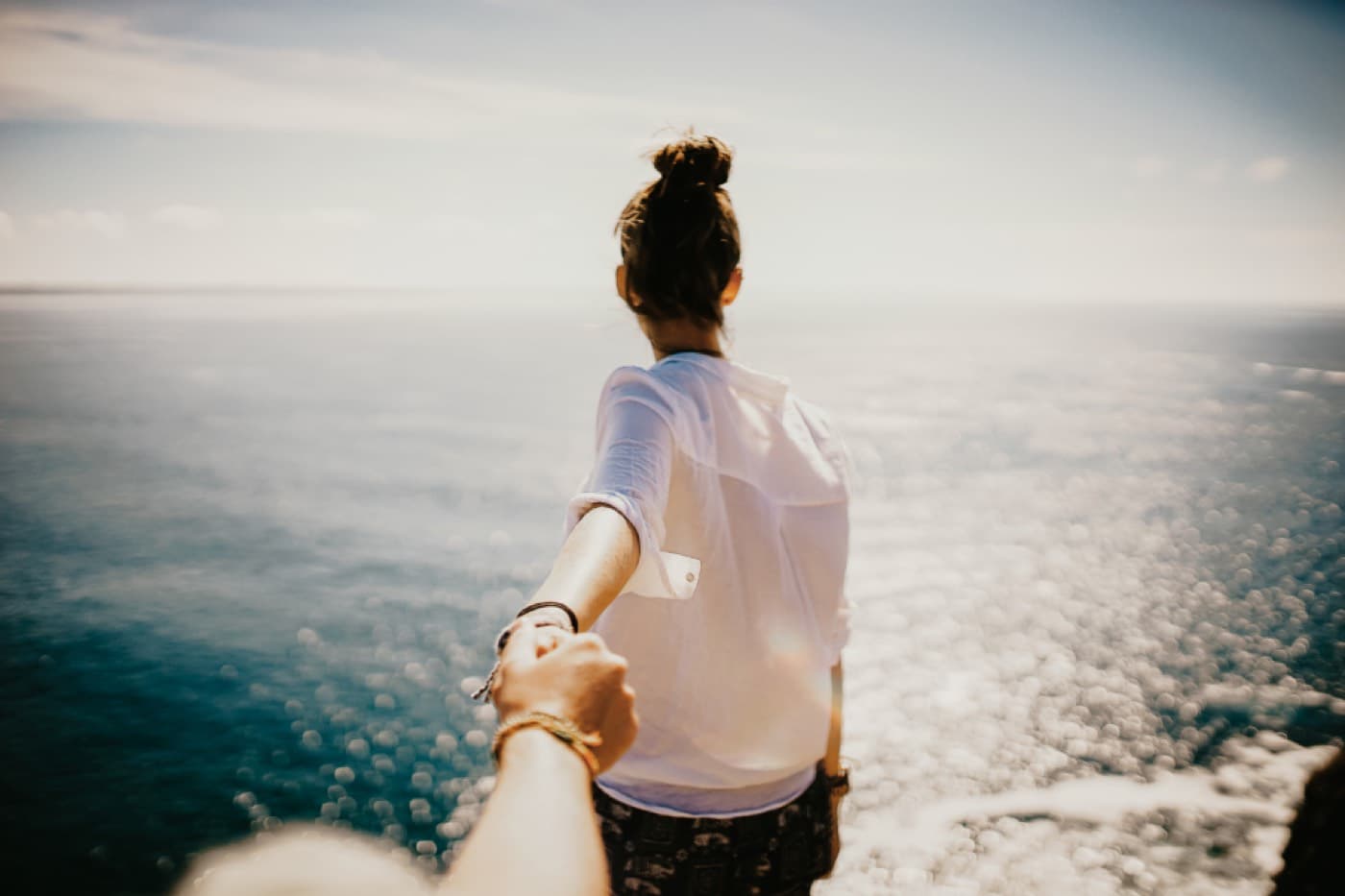
Walking slowly by the water for twenty minutes, phone at the bottom of the bag. What I look at, what I listen to, and exactly how I run those twenty minutes myself.
5 min read