


Breathwork
Getting the night ready: ten minutes of breathing before bed
A body does not switch off on command. I have been giving people the same ten-minute ritual for years, plus what to do when you wake at three in the morning.
6 min read
There is a moment I know by heart, and you probably do too: the five minutes before a tense meeting or a talk in front of a room. The body sets off ahead of you. The breath climbs into the chest and shortens, and your head starts replaying everything that might go wrong. Nobody has time to slip away at that point, and nobody wants to reach for their phone and install one more app.
Heart coherence is the thing I teach more than anything else, for a rather dull reason: it asks for nothing. A chair and five minutes will do, plus a rhythm you hold yourself. It took me years to admit that, because I liked the idea that a practice should be earned, with kit and a proper room to do it in. Wrong. In the companies I work with, including the windowless meeting rooms up by the Joliette docks, it is the first thing I hand to a team, before anyone says a word about posture or movement.
Your heart does not beat at a fixed interval. It speeds up slightly as you breathe in, it slows as you breathe out, and that small swing runs all day without you ever feeling it. Slow the breath down, keep it even, and the swing settles into a wide, predictable shape. Work on heart rate variability describes the state as a balance between the two branches of the autonomic nervous system, the one that accelerates and the one that brakes. I am a coach rather than a researcher, so for the detail I will point you at the literature instead of pretending.
In a session I see far plainer things. After five minutes at six breaths a minute, people's voices change, they drop half a tone and the words spread out. Shoulders stop standing guard. Nothing dramatic, nobody floats, and I am quite suspicious of the videos that promise a transformation in one sitting. You are tuning a frequency, the way an old radio suddenly loses its crackle.
I am not promising the meeting will go well. It can go badly with or without any breathing at all. What does happen, for me as much as for the people I work with, comes down to a small offset: you walk into the room a second ahead of yourself. The sentence that would have shot out too fast waits. You hear the whole question before answering, which in most meetings is already worth a lot. A manager in his fifties told me once that he simply felt less rushed by things, and I have kept the phrase. Five minutes in the car, or on a chair in the corridor outside the room. The place hardly matters. Doing it beforehand does.
Regularity weighs more than duration. Three minutes every day beat a quarter of an hour on a Sunday, and it took me a long time to be convinced of that myself, because I loved long sessions, the ones that look like something. Hang your five minutes on a fixed point of the day: the first coffee, or the moment before you start the car. Does it suit everyone? Honestly, I have no idea. Tonight, sit down somewhere, count to five as you breathe in, and see what comes of it.
Written by Virginia Philippe, wellbeing coach in Marseille. What you read here is practical guidance, not medical advice: if in doubt, speak to your doctor.
Would you rather practise than read about it? Sessions by the water are booked in small groups, and workplace sessions are built around your own context.
Breathwork
A body does not switch off on command. I have been giving people the same ten-minute ritual for years, plus what to do when you wake at three in the morning.
6 min read

Breathwork
Two breaths in through the nose, one long breath out through the mouth, ten seconds. The breath I teach first, and the one your body already produces without telling you.
5 min read
Breathwork
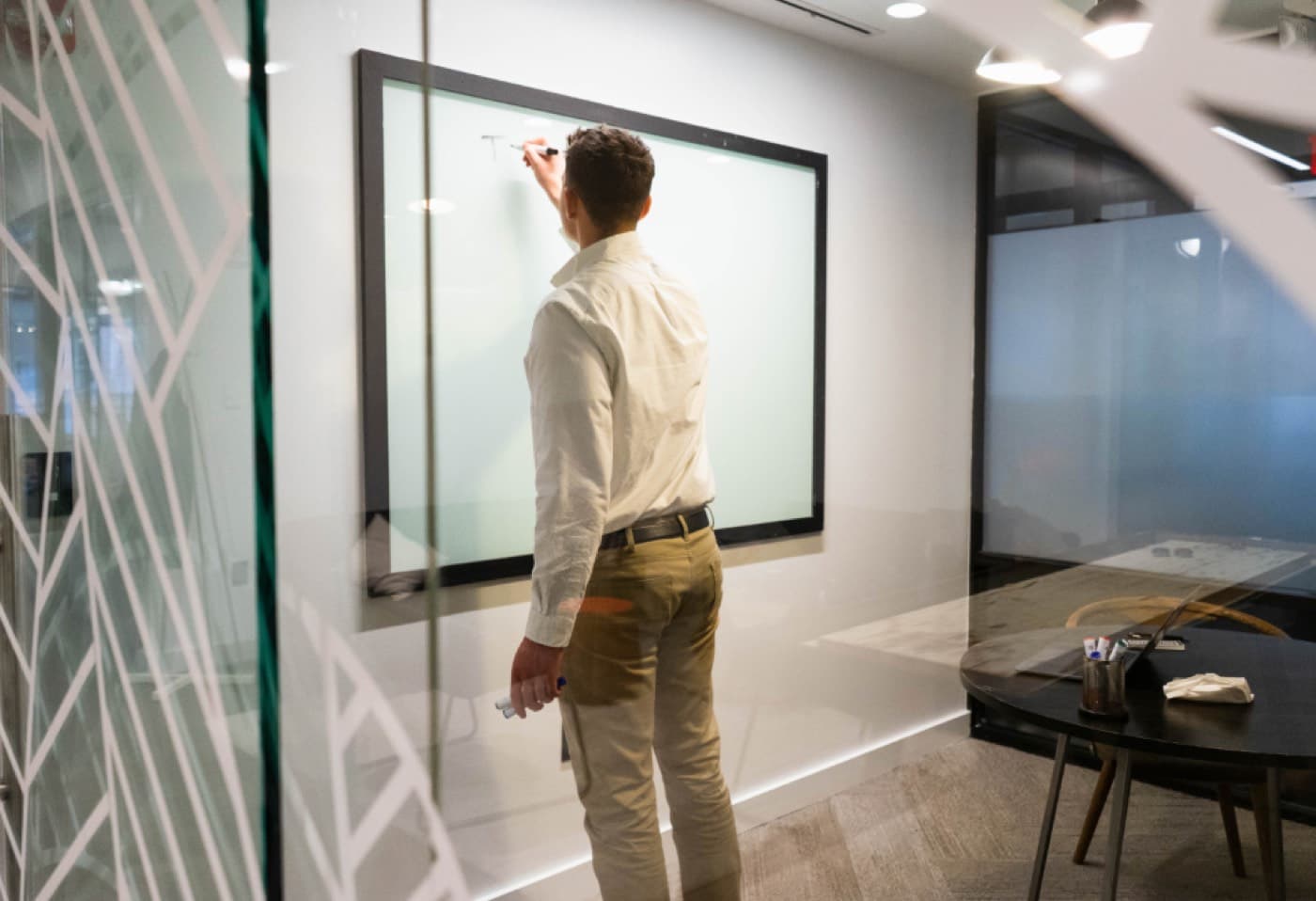
Before a meeting the voice tightens and nobody quite knows why. What the body is up to at that moment, and three minutes to run in a corridor before you walk in.
6 min read